Organization / Field guide01
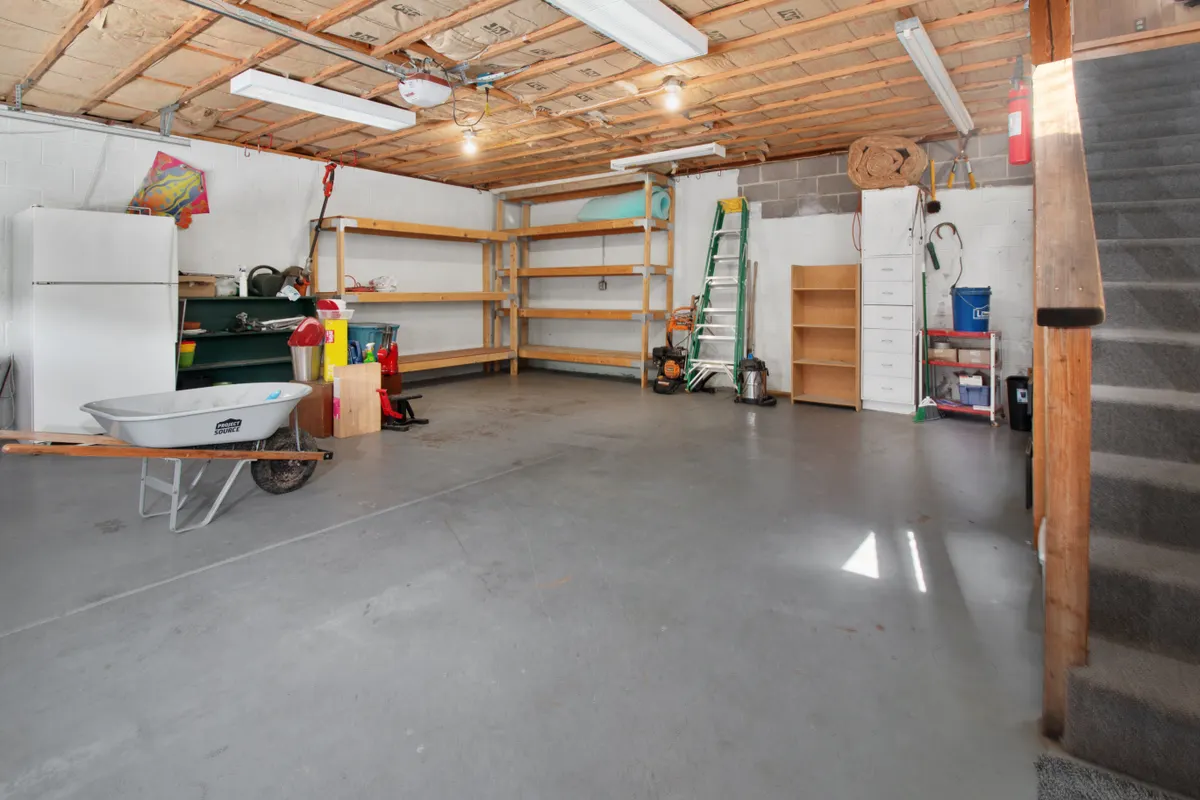
The five-zone garage plan for first-time homeowners
Turn one mixed-use room into clear zones for parking, projects, daily gear, seasonal storage, and household overflow.
02 36 field guides
Measured advice organized into four practical clusters: storage, lighting, cleanup, and the tools a new homeowner will actually use.
01 Organization
Shelving, wall systems, zones, and floor plans that keep the bay usable.
Open the organization centerTurn one mixed-use room into clear zones for parking, projects, daily gear, seasonal storage, and household overflow.
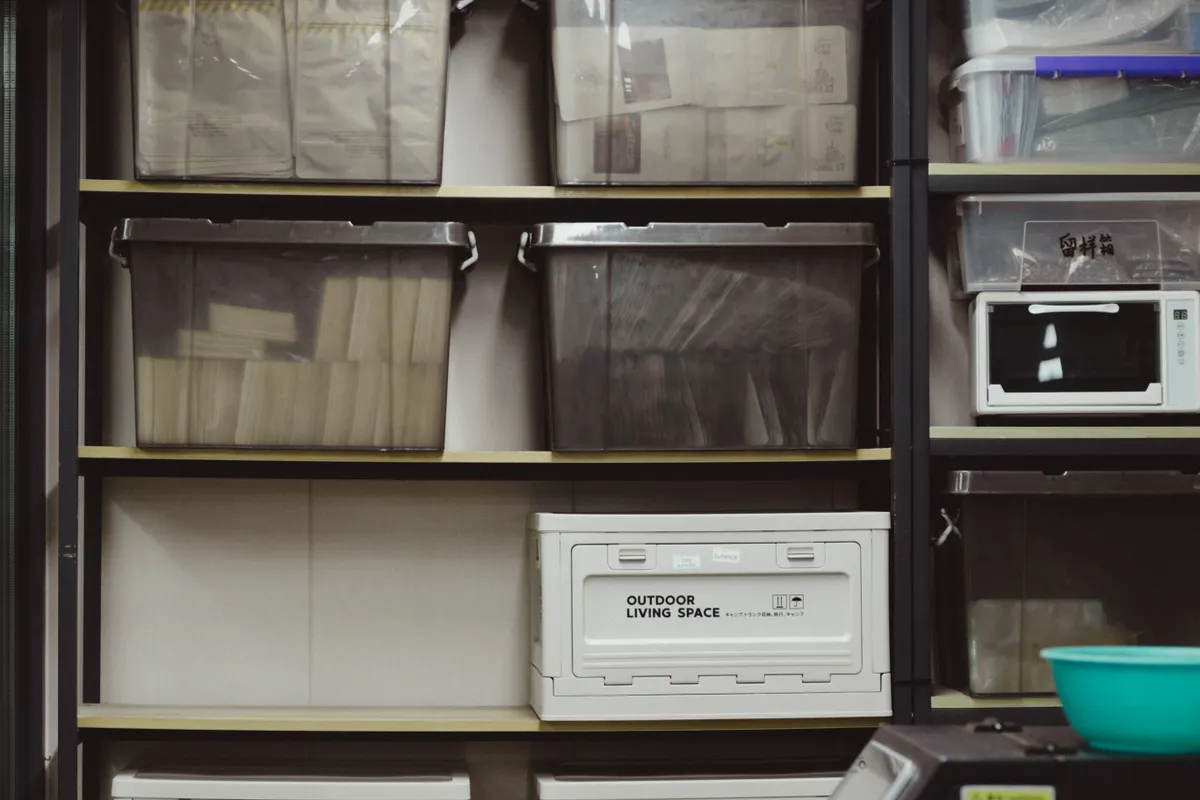
There is no single standard depth. Match the complete shelf to real containers, parked-vehicle clearance, reach, and the system manual.

Compare load, flexibility, cost, and installation before committing an entire wall to one storage system.

Plan rack size, loading, access, and clearances before putting seasonal bins above vehicles and walkways.

Build storage and a work area around actual vehicle doors, walking paths, and the garage door—not an empty-room sketch.

Standardize a few container sizes, label for retrieval, and stop turning every shelf into a stack of mystery totes.

Give rakes, shovels, pruners, and hand tools visible homes while keeping wet soil, sharp edges, and wide tool heads out of the parking path.

Learn when leftover paint can stay in a garage, when temperature or fire risk rules it out, and how to seal, label, and route each can.

Build a safe mower parking spot, compare gas and battery storage, fold or stand only approved models, and prepare the machine for winter.

Drain the water path, protect the pump, separate gas and electric decisions, and build a dry storage bay for the exact machine and accessories.

Measure car doors, handlebars, pedals, and the bike retrieval route before choosing a floor stand, wall rack, or overhead storage.
02 Lighting
Fixture layouts, lumen planning, and task lighting without the guesswork.
Open the lighting center
A practical plan for fixture count, color temperature, placement, and the workbench light that matters most.

Compare useful output, beam spread, color quality, linking limits, and installation details—not marketing wattage alone.

Understand what color temperature changes, what it does not, and when a mixed lighting plan makes sense.

Position rows around vehicles, the open door, storage walls, and working edges so usable light reaches the floor and bench.

Choose a wide, controlled source and place it over the working edge for layout, repairs, sharpening, and finishing.

A pre-install checklist for output, placement, glare, door interference, controls, temperature, and future service.
03 Cleanup
Dust control, wet/dry vacs, floors, filters, and repeatable cleanup systems.
Open the cleanup center
Tank gallons dominate the box. For real cleanup, hose diameter, airflow, filtration, noise, and footprint matter more.

Choose filters, collection bags, and wet-pickup configurations by material instead of using one dirty cartridge for every job.

Clean a concrete garage floor with dry pickup, controlled scrubbing, and contained liquid removal—without defaulting to a pressure washer or pushing residue outdoors.

Stop the source, contain free liquid, separate used oil from other chemicals, and choose stain treatment only after the spill is controlled.

Keep a garage cleaner during sanding and cutting by capturing dust at the tool, protecting the house door, and using a repeatable high-to-low cleanup routine.

Clear the floor, sort by destination, remove hazardous leftovers, and rebuild only the storage your inventory proves you need.
04 DIY tools
A first tool kit built around real homeowner jobs, safety, and sensible storage.
Open the diy tools center
Build a compact, capable kit for hanging, measuring, assembling, repairing, and learning—without buying a rolling chest on day one.

Understand speed, clutch control, bit compatibility, noise, and the jobs that justify owning both tools.

Choose a wall-scanning approach by wall type and project risk, then confirm every reading before drilling.

Choose drive size, metric and SAE coverage, socket depth, ratchet access, and storage without paying for filler pieces.

Match ladder type and working height to real tasks, then plan a stable setup area and safe storage location.

Build a compact kit for room layouts, shelving, hardware, and repeatable cuts before power tools enter the plan.

Set up a cool, dry battery station, charge only with the correct equipment, spot damage early, and route retired packs to proper recycling.

Inspect, coil, label, and hang extension cords so they stay easy to identify—without turning temporary power into permanent garage wiring.

Compare fit, convenience, other safety gear, and noise reduction before the saw, sander, mower, or impact driver starts.

Choose garage workbench height by the primary user, task, finished top, and vise. Test a temporary surface at elbow height before building a fixed bench.
Build a dry-tool return routine, choose open or enclosed storage, and monitor moisture before buying rust-prevention products for your garage.
Choose a small garage clamp kit by jaw opening, throat depth, bench access, and the next project—not the number of clamps in the box.
Identify the screw drive, check the exact tip size, and verify holder compatibility before buying another bit set for your garage toolkit.
03 Before we publish
We define the use case, compare the decision factors, check manufacturer documentation, and show our assumptions. Product links never determine the verdict.