Decision table
Pick the surface by what it must hold
| Decision factor | Pegboard | Slatwall | Separate rack / hooks |
|---|---|---|---|
| Best use | Visible hand tools | Mixed baskets and gear | Dense bins and long tools |
| Wall depth | Lowest projection | Moderate projection | Varies by hardware |
| Change cost | Low | Medium to high | Low when added selectively |
| Main caution | Light-duty accessory limits | Panel and ecosystem limits | Anchor each load correctly |
| Good location | Above the workbench | Multi-use storage wall | Stud-backed load points |
Field note: Confirm panel, hook, shelf, anchor, and wall-system ratings as one complete installation.
The short answer
Pegboard is inexpensive, easy to cut, and excellent for frequently used hand tools. Slatwall costs more but supports a broader ecosystem of hooks, baskets, and shelves. Neither system replaces properly anchored heavy-duty shelving for dense loads.
The better choice is determined by what the wall needs to hold in twelve months—not only what is on the floor today. Make an inventory by weight, shape, and access frequency before comparing panels.
Where pegboard wins
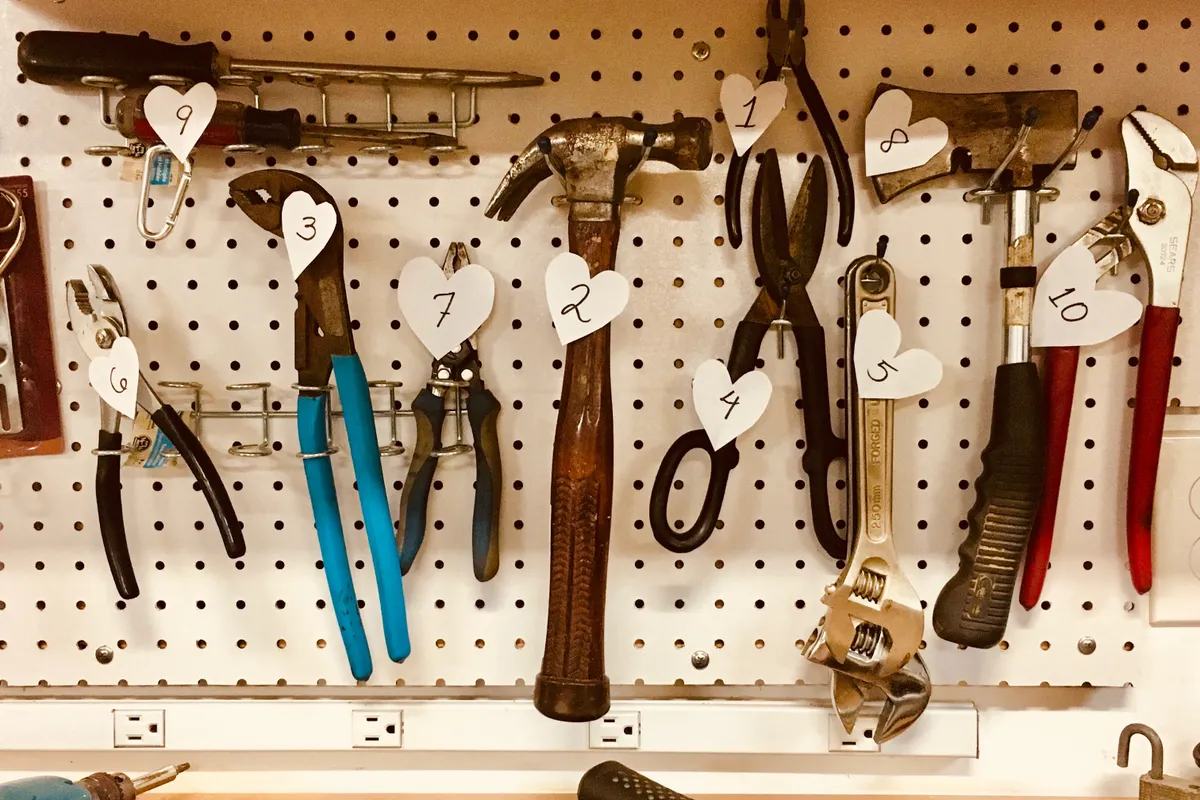
A framed metal or hardboard pegboard creates visible, lightweight storage without consuming much depth. It is particularly useful above a fixed workbench where pliers, drivers, squares, and small cordless tools should have recognizable homes.
- Lower entry cost and easy panel replacement
- Simple layouts for hand tools and small accessories
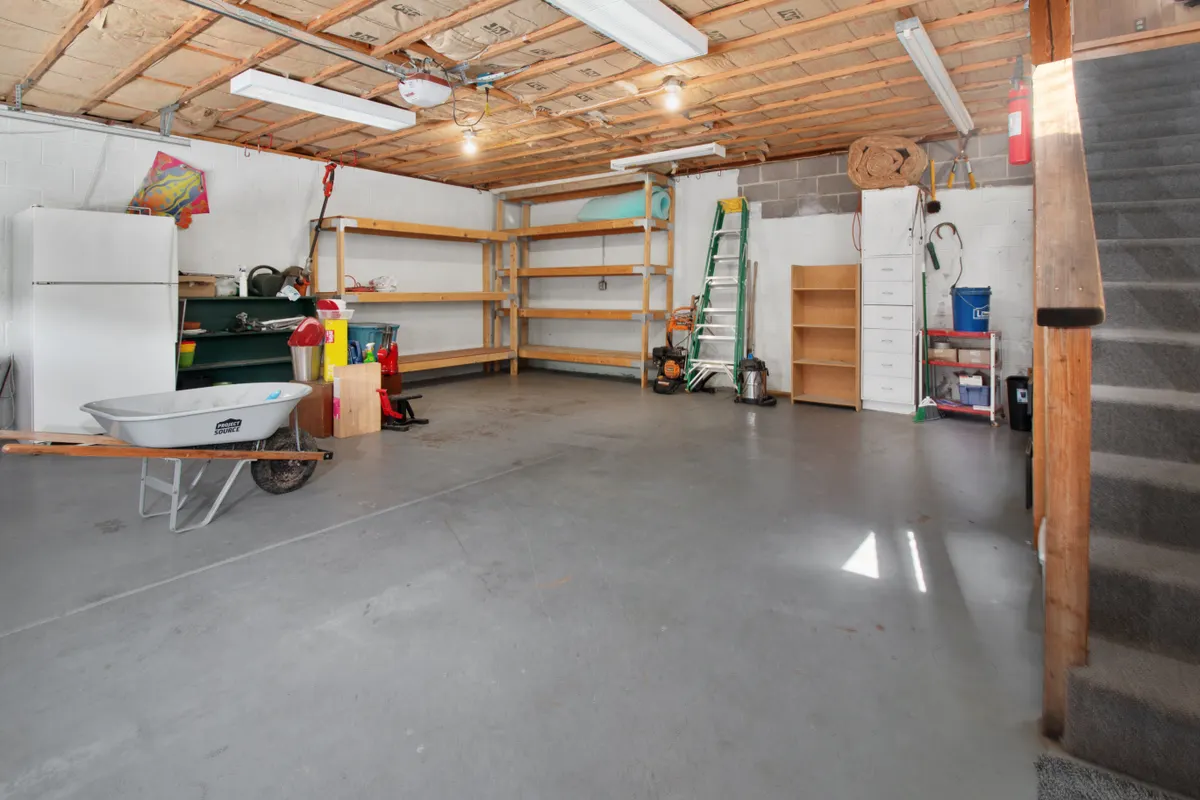
- Minimal projection into a narrow garage
- Metal panels offer better durability in damp or hard-use spaces
Where slatwall wins
Slatwall looks more integrated and handles mixed storage better. It works well when the same wall must carry yard tools, sports gear, bins, and adjustable accessories. The tradeoff is a higher installed cost and a greater chance of becoming locked into one accessory ecosystem.
Panel material matters. Residential PVC, MDF, and metal systems have different moisture behavior, installation instructions, and load limits. Treat the manufacturer’s documentation as the deciding source for anchors and capacity.
A practical hybrid is often better
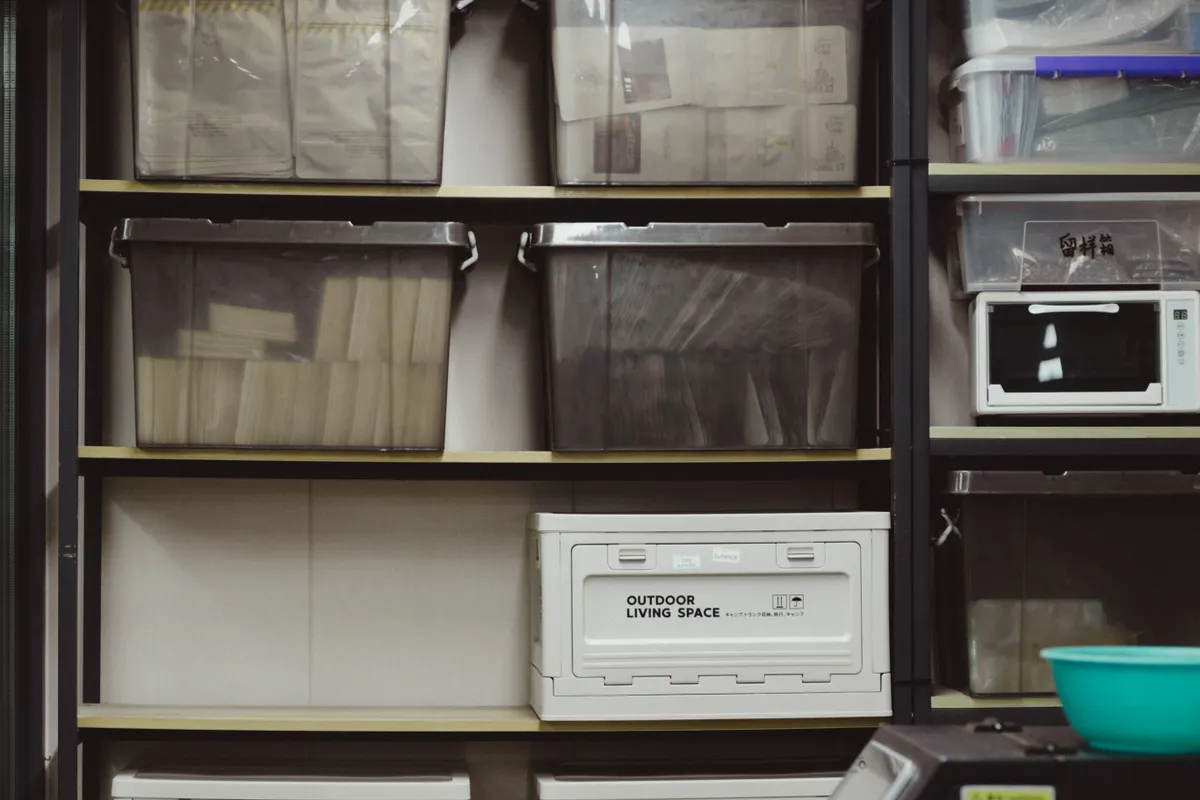
Use pegboard over the bench, individual wall hooks for long tools, and freestanding or rail-supported shelving for bins. This puts each storage method where it performs best instead of forcing one expensive panel system across the whole room.
Before installation, tape full-size panel boundaries on the wall. Confirm door tracks, outlets, controls, and future shelving will remain accessible, then photograph stud locations before covering them.
Price the same loaded wall, not two empty panels
Make one inventory and use it for both quotes: for example, six hand tools, two tool cases, a hose, and a basket of light accessories. List the holder required for each item, how far it projects, and whether it stays secure when you remove the item beside it. These are illustrative quantities, not an approved loading arrangement.
Add panels, mounting components, holders, trim, delivery, and any installation cost. A hypothetical $80 panel plus $90 of accessories costs $170; a $120 panel with $30 of the required accessories costs $150. These are arithmetic examples, not current prices. Compare completeness before declaring one material cheaper.
The Wall Control and Proslat FAQs describe their own systems and compatibility conditions. Do not transfer a rating from one panel material or accessory to another. Save the exact panel, hook, fastening, and wall-substrate instructions with the quote. A total wall rating alone does not establish what one projecting shelf can carry.
- Lay out one representative group before covering the whole wall.
- Check the loaded accessory depth against parking, not just panel thickness.
- Confirm replacement hooks fit the exact system.
- Reject a quote with unresolved mounting or accessory ratings.
Primary references
These sources support safety, disposal, or specification details used in this guide.