Tool-choice table
Choose by control and repetition
| Decision factor | Drill / driver | Impact driver | Own both |
|---|---|---|---|
| Bit interface | Adjustable chuck | Quick-change hex collet | Keep drilling and driving bits mounted |
| Control | Clutch and low gear | Fast rotational impacts | Use the controlled tool for delicate work |
| Best jobs | Pilot holes, furniture, light hardware | Long screws and repeated fastening | Frequent storage or framing projects |
| Noise | Usually lower | Higher; hearing protection may be needed | Choose by the task |
| First purchase | Best first tool for most homeowners | Add when the job list proves it | Useful when bit changes repeatedly slow work |
Field note: Use bits and accessories approved for the tool, start slowly, and keep the bit square to the fastener.
The drill is the flexible first tool
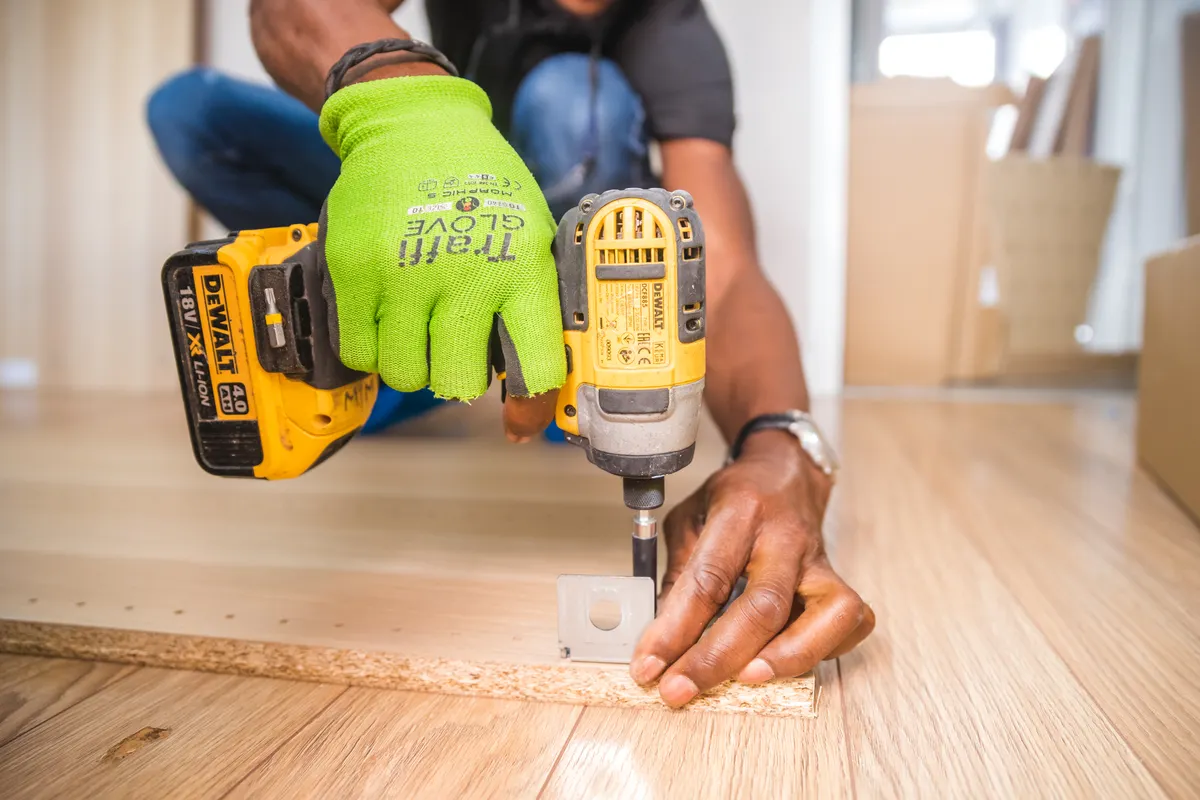
A drill/driver accepts common round-shank drill bits and driver bits in its chuck. Its adjustable clutch helps limit fastening torque, which is useful for furniture, hardware, cabinets, and other work where overdriving causes damage.
Variable speed and a low gear make the drill easier to control across a wide range of homeowner tasks. For most first tool kits, that versatility wins.
The impact driver favors repeated fastening
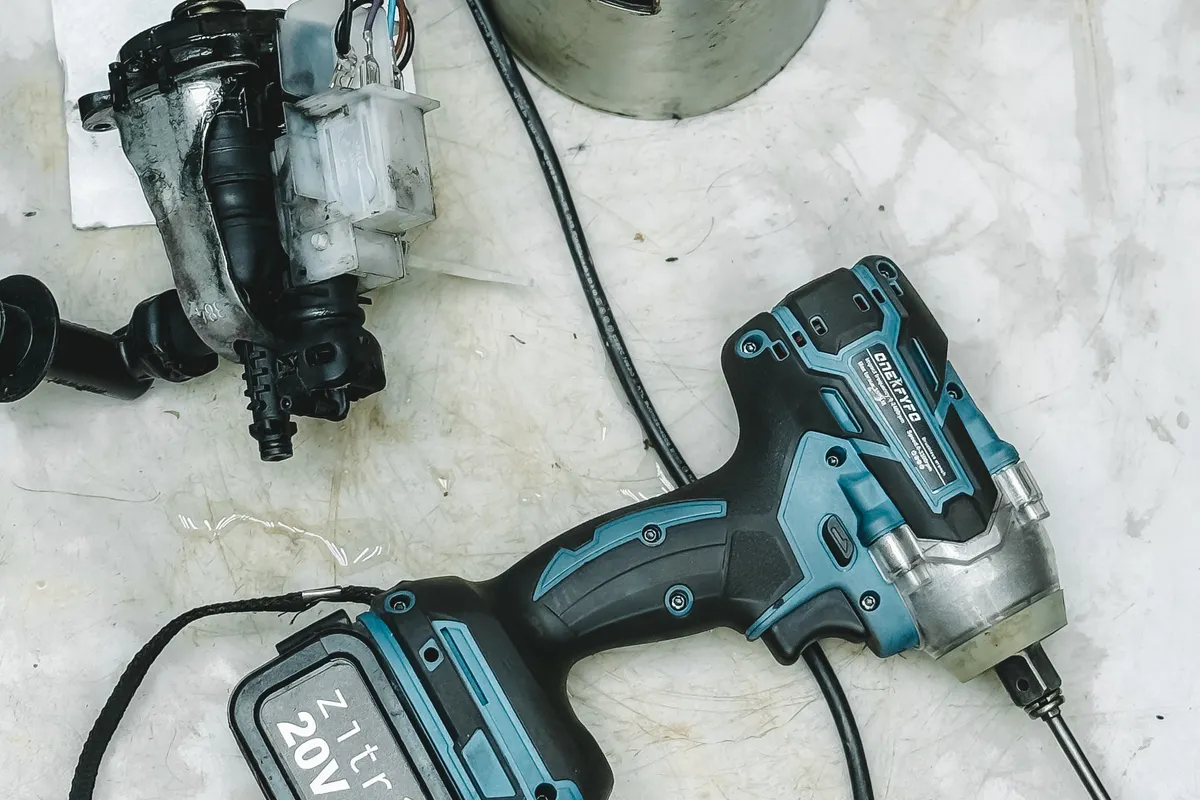
An impact driver uses a quick-change hex collet and adds rotational impacts as resistance increases. It is compact and effective for long screws, but it is louder and offers less delicate clutch control than a drill/driver.
Use impact-rated bits and accessories approved for the task. The tool’s speed can hide poor alignment, so begin slowly and keep the bit square to the fastener.
Choose by the job list
Hanging pictures, drilling pilot holes, assembling furniture, and installing light hardware point toward a drill. Building long shelves, fastening wall systems, or driving many structural screws may justify an impact driver.
- Buy drill first: mixed holes and controlled fastening
- Add impact driver: repeated long or resistant fasteners
- Own both: frequent projects where changing bits slows the work
- Rent or borrow: one unusual project with no future use
A combo kit is useful only when both tools fit
Combo kits can cost less than separate purchases, but compare the actual models, battery sizes, charger, and warranty. A large or outdated drill is not a bargain if it is tiring to use in cabinets and overhead.
Hold the tools with a battery installed when possible. Balance, trigger control, and grip comfort matter more over a weekend than a small difference in headline torque.
Primary references
These sources support safety, disposal, or specification details used in this guide.