Cleanup / Buying guide18
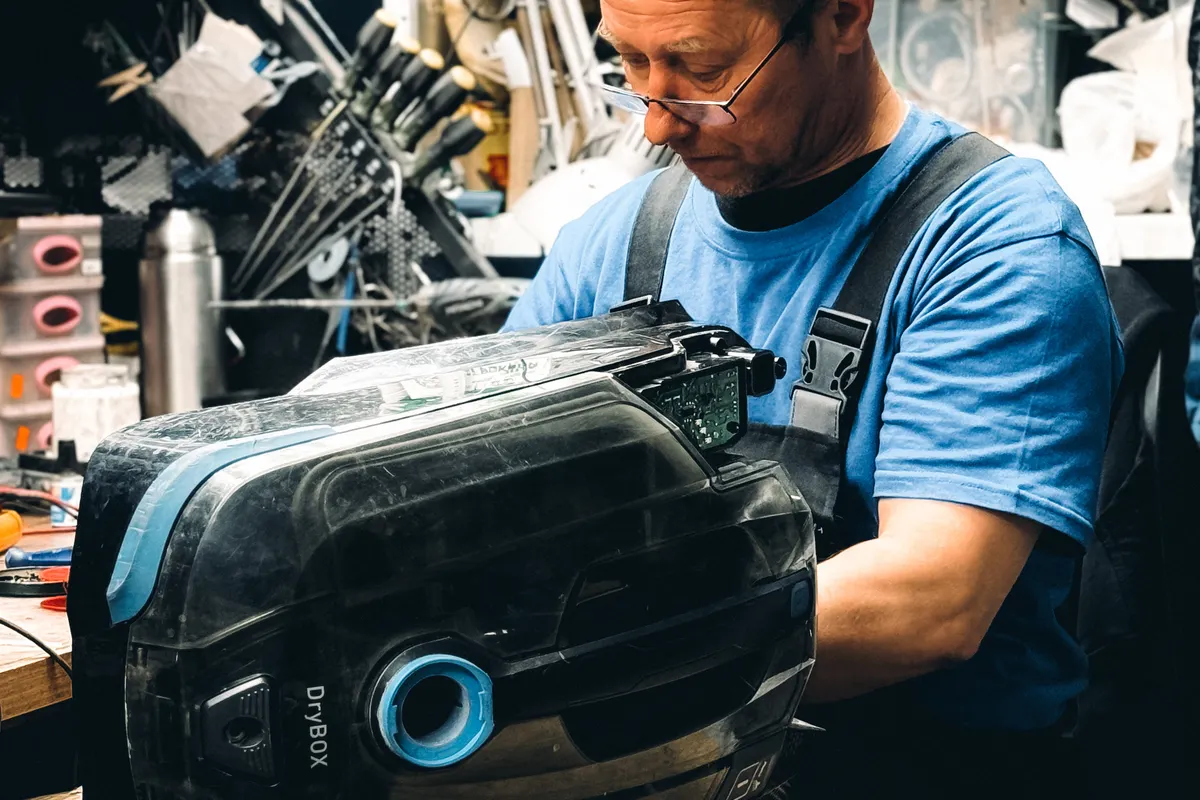
Shop-vac sizing: buy the hose and airflow, not the tank
Tank gallons dominate the box. For real cleanup, hose diameter, airflow, filtration, noise, and footprint matter more.
03 Cleanup field guide / 6 articles
Garage cleanup is a containment problem before it is a cosmetic one. Dust should be captured near the tool, liquid should be collected rather than pushed outside, and oil or chemical residue needs a confirmed destination. The right sequence protects the house, the driveway, and the equipment used for cleanup.
Use this collection to match the vacuum and filter setup to the debris, then build repeatable routines for floors, spills, dust-producing projects, and clutter. Each guide favors the least aggressive method that solves the problem and stops when the material or disposal route is uncertain.
Start Choose your constraint
Begin with the decision holding up your garage today. Each path connects back to the complete topic library below.
Choose the machine
Capture at the source
Reset the slab
03 Complete topic library
6 focused guides, each built around one search intent and one practical garage decision.
Tank gallons dominate the box. For real cleanup, hose diameter, airflow, filtration, noise, and footprint matter more.
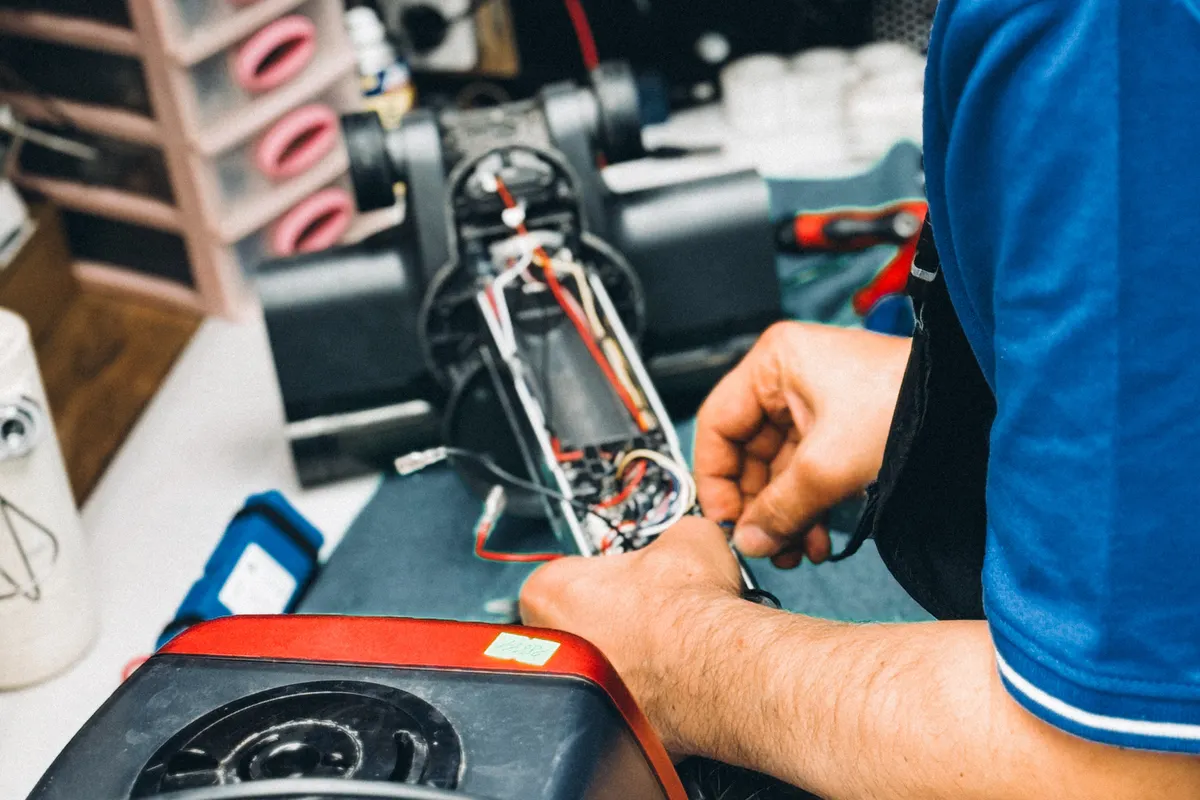
Choose filters, collection bags, and wet-pickup configurations by material instead of using one dirty cartridge for every job.

Clean a concrete garage floor with dry pickup, controlled scrubbing, and contained liquid removal—without defaulting to a pressure washer or pushing residue outdoors.
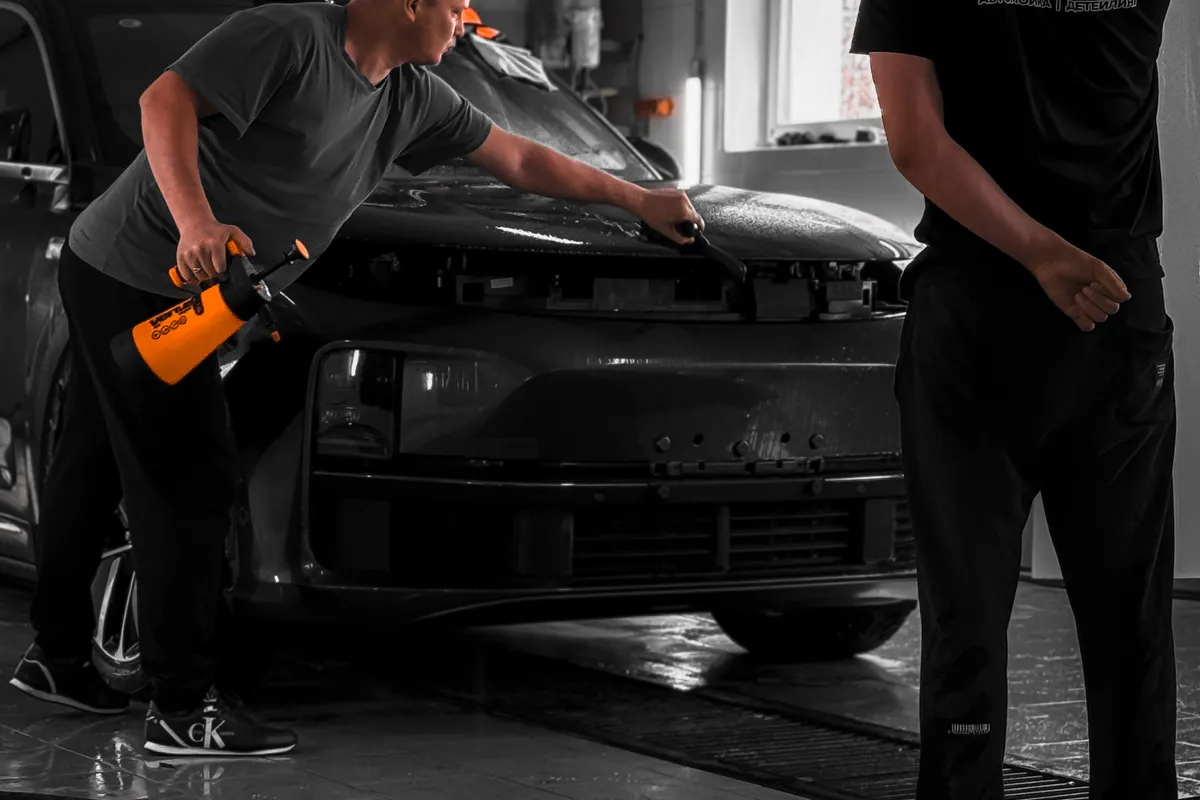
Stop the source, contain free liquid, separate used oil from other chemicals, and choose stain treatment only after the spill is controlled.
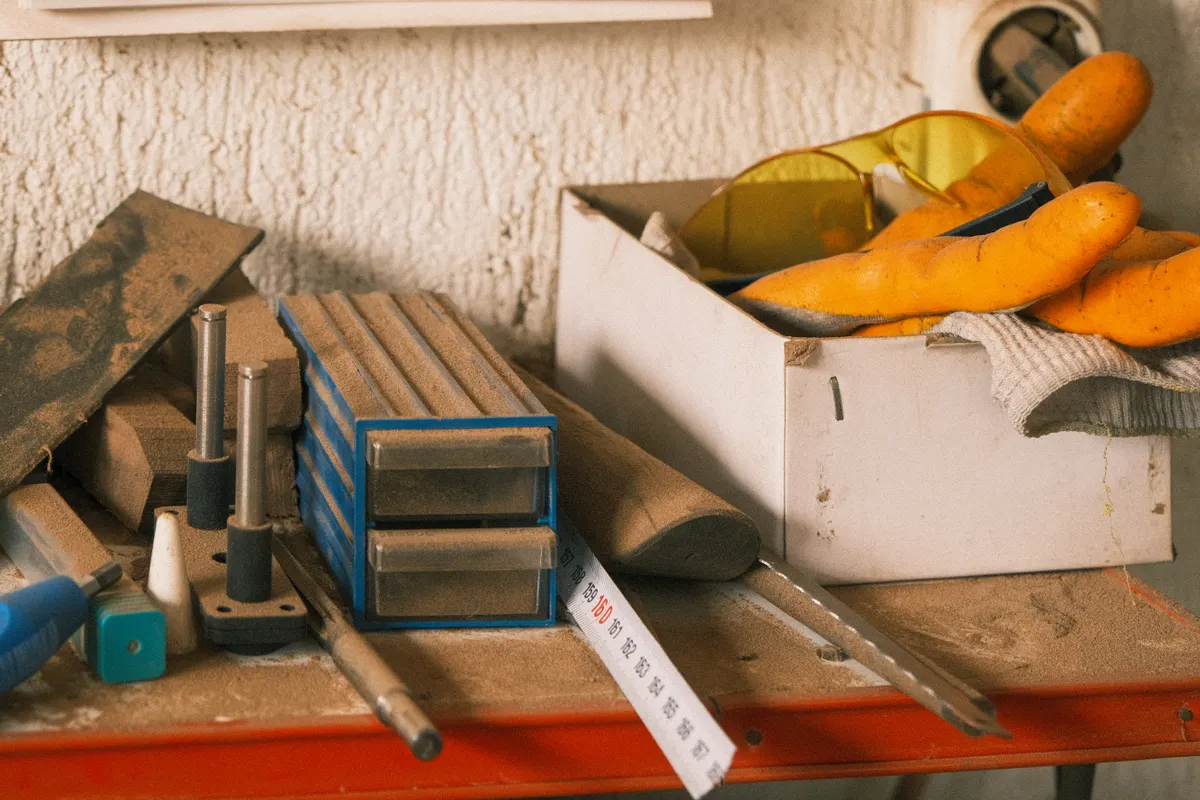
Keep a garage cleaner during sanding and cutting by capturing dust at the tool, protecting the house door, and using a repeatable high-to-low cleanup routine.
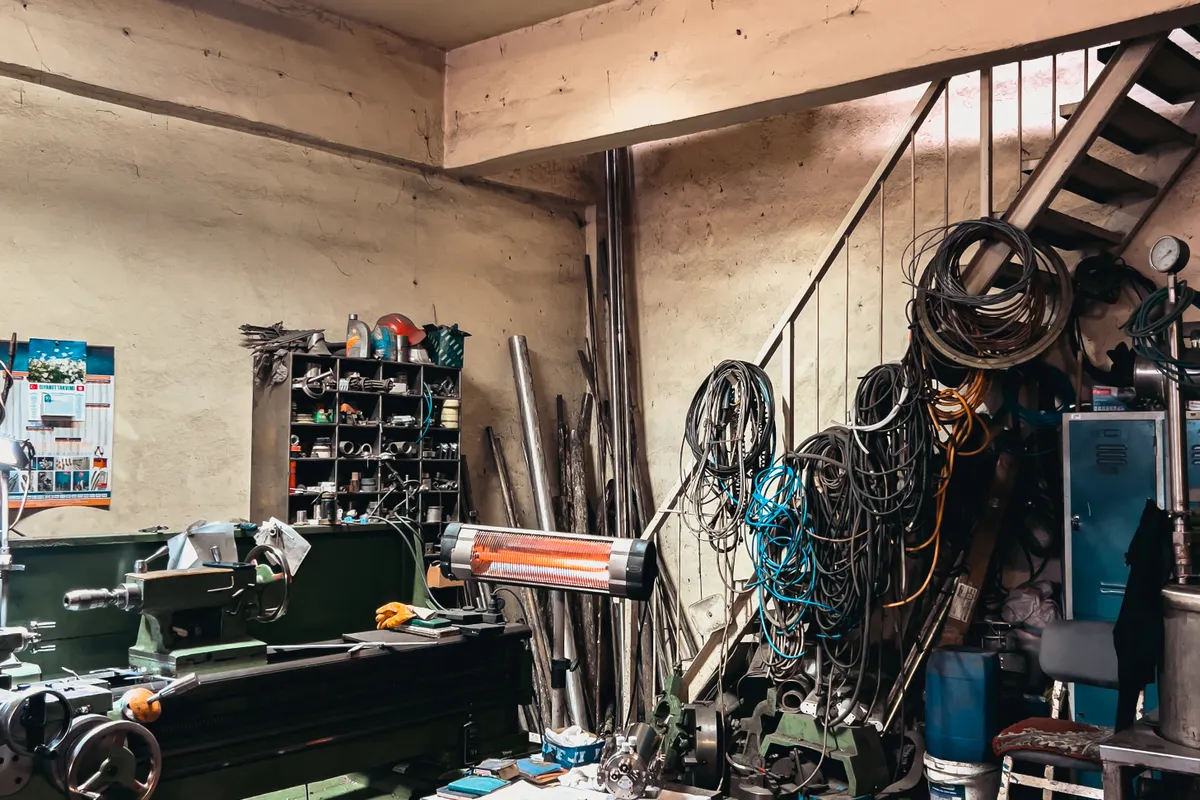
Clear the floor, sort by destination, remove hazardous leftovers, and rebuild only the storage your inventory proves you need.
Method Use the collection