Dust-control sequence
Capture before cleanup
01Before work
- Identify the material and read its safety information
- Close the house door and protect the clean side
- Move vehicles, fabrics, and open storage away
02At the source
- Use the tool's dust port and compatible extraction
- Keep the hose secure through the full tool movement
- Stop when airflow drops or the system clogs
03Final cleanup
- Vacuum slowly from high surfaces to the floor
- Avoid aggressive dry sweeping and compressed air
- Bag or empty collected material using the correct procedure
Field note: Unknown, hazardous, or high-risk materials may require specialized controls or professional assessment.
Know the material before creating dust
Wood, drywall, concrete, coatings, and unknown older materials create different risks and collection needs. Read the product safety information and tool instructions before cutting, sanding, or grinding.
Some materials require specialized controls, respiratory protection, or professional assessment. A general wet/dry vacuum and open garage door are not universal solutions.
Capture close to the source
Use the tool’s dust port and compatible extraction method when provided. Keep hoses short enough to maintain performance but routed so they do not catch the work or create a trip hazard.
Collection adapters should remain secure through the full tool movement. Test the setup on scrap and confirm the vacuum maintains adequate airflow without collapsing a small hose.
Treat a dust-free garage as a direction, not a promise
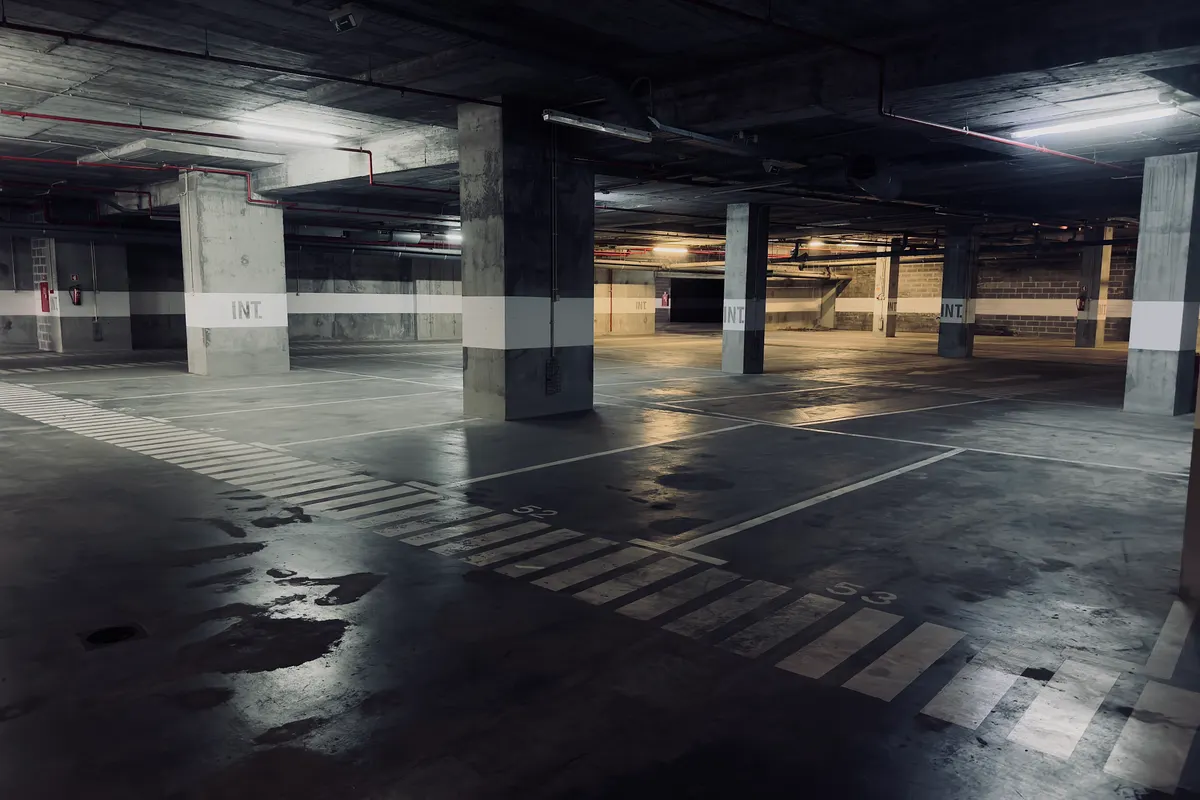
A garage that stays literally dust-free is not a realistic maintenance target once vehicles, outdoor equipment, and cutting or sanding share the room. A useful standard is narrower: keep project dust from crossing into the house, settling on chargers and fabrics, or remaining on horizontal surfaces after the job.
NIOSH engineering-control research consistently puts capture near the point of generation ahead of room cleanup. Its published results are specific to the tested tool, material, and control system, so do not assume that any hose adapter makes every task safe. Use the tool and material instructions, verify airflow during the job, and stop when the control cannot keep up.
Protect the clean side of the garage
Close the door into the house and move vehicles, fabric gear, and open storage away from the work zone. Covering every shelf is less effective than reducing the amount of dust released in the first place.
- Create one work zone rather than spreading operations across both bays
- Keep household HVAC returns and living-space doors protected
- Use cutting methods and speeds recommended for the material
- Stop when the collection system clogs or loses airflow
Clean without re-suspending dust
Use suitable vacuum filtration and slow passes instead of aggressive dry sweeping or compressed air. Clean horizontal surfaces from high to low, then the floor, so settled dust is collected once.
Bag or empty collected material using the procedure appropriate for the dust. Wash hands and clean protective equipment before entering living areas.
Primary references
These sources support safety, disposal, or specification details used in this guide.