Paint-storage decision card
Keep, move, or ask locally
01Read the can
- Identify water-based paint, solvent coating, stain, varnish, aerosol, or specialty product
- Find the storage statement and technical data sheet
- Keep the original label readable and record room, color, sheen, and opened date
- Set leaking, bulging, corroded, or unknown cans aside for local guidance
02Test the location
- Compare recorded seasonal minimum and maximum temperatures with product limits
- Check direct sun, water, impact, children, pets, and food separation
- Read every flammable or combustible warning before choosing a location
- Keep clear of appliances, chargers, sparks, vehicle work, and service paths
03Choose the route
- Keep only an identified, sealed, useful can in a location its documentation allows
- Move suitable water-based paint only to a secure, label-compliant location
- Do not move marked solvent products into living space just to avoid freezing
- Confirm accepted products, hours, and container condition with local HHW or PaintCare
Field note: Product labels and technical data sheets control. Water-based wall paint, solvent coatings, stains, thinners, aerosols, and unknown containers are not interchangeable.
The direct answer: an unheated garage is a conditional location
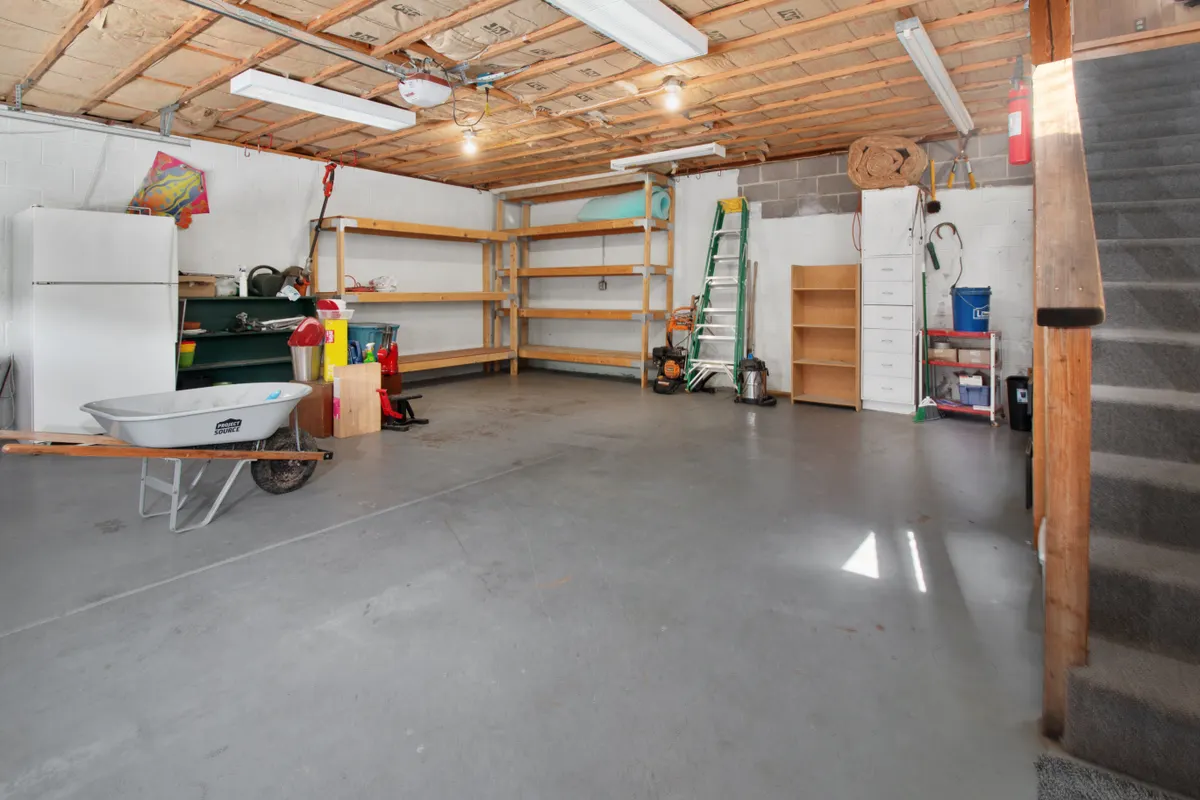
Do not answer the question with a single temperature copied from the internet. The correct starting point is the storage statement on the original can and, when available, the manufacturer's technical data sheet. Then compare that instruction with the coldest and hottest conditions the garage actually reaches—not the outdoor forecast or the thermostat inside the house.
Two major paint manufacturers give 60–80°F as general guidance for many leftover architectural paints, and both warn about freezing or wide garage temperature swings. That range is a useful example, not a rule for every coating. The label and product documentation control; if the garage cannot reliably stay within them, it is not an appropriate long-term storage location for that can.
Identify the product before choosing a shelf
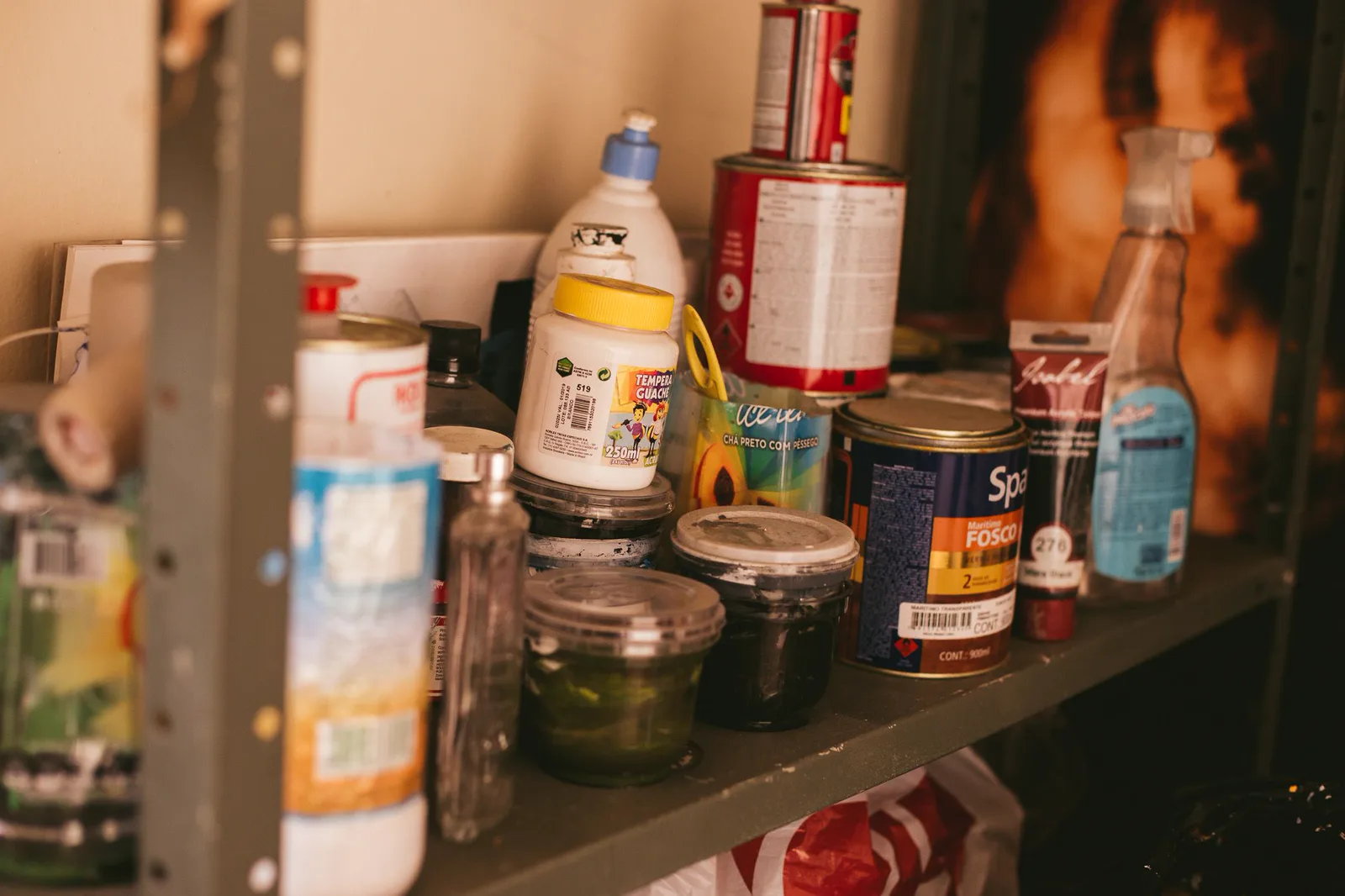
Read the front, back, and lid before moving anything. Record whether the product is water-based architectural paint, an oil or alkyd coating, stain, varnish, thinner, two-part coating, or aerosol. Look for storage temperatures, ventilation language, flammable or combustible warnings, and disposal instructions. Similar-looking cans can have very different requirements.
Keep the label attached and readable. The U.S. EPA advises keeping potentially hazardous household products in their original containers, never using food containers, and never mixing leftovers. If the identity is uncertain or the label has disappeared, the can is not a candidate for an ordinary storage shelf or a casual test patch.
- Water-based wall paint: verify the exact product's temperature and storage directions
- Oil, alkyd, stain, varnish, and thinner: check every hazard statement and do not assume an indoor closet is safer
- Aerosol coating: follow aerosol-specific upright, temperature, ventilation, and disposal directions
- Two-part or specialty coating: keep components identified and follow the complete system documentation
- Unknown, leaking, bulging, or badly corroded container: stop handling it as ordinary paint and contact the appropriate local authority
Run a seasonal temperature test
Place a min/max thermometer near the proposed shelf for several representative cold and hot periods. Avoid a reading taken against a sunny door panel, directly above an appliance, or beside a draft unless that is where the paint would actually sit. The useful record is the storage location's highest and lowest temperatures over time.
Compare that record with each product's label or technical sheet. A garage that stays acceptable in October may fail the same test during a January cold snap or a closed-door August afternoon. Do not promise that frozen or overheated paint can be restored; ask the manufacturer about the specific product and use local disposal guidance when its condition is doubtful.
Separate temperature control from fire safety
Moving a can into conditioned space only solves temperature; it can create a different problem when the label carries flammable or combustible warnings. The U.S. Fire Administration identifies flammable liquids, combustibles, gas appliances, and electrical tools as garage fire risks and broadly advises storing oil, gasoline, paints, propane, and varnishes in a shed away from the home.
Use that fire-safety advice together with the exact product label and local fire or household-hazardous-waste guidance. Do not place marked solvent products beside a water heater, furnace, charger, spark-producing tool, vehicle work area, or household food. Do not buy a generic cabinet and assume it overrides the container instructions, local requirements, or the conditions of an attached garage.
Seal and label usable touch-up paint
For paint the product documentation allows you to keep, clean the can rim and close the lid evenly using the manufacturer's method. Sherwin-Williams and Benjamin Moore both recommend a clean rim, a tight seal, and a rubber mallet rather than deforming the lid with a steel hammer. Keep the can upright and inspect the seam, sides, bottom, and handle before it returns to storage.
Write the room, surface, brand, product name, color name or code, sheen, and opened date where they remain legible without covering the original safety label. A small photo of the labeled can and the finished room can make a future touch-up easier, but it does not replace the label or technical data sheet.
Build a review shelf, not a mystery-paint bin
Keep accepted cans upright on a stable, dry shelf where a person can read and retrieve one without moving a vehicle or reaching above shoulder height with a heavy container. Protect the area from direct sun, water, impact, children, and pets, while also following any product-specific ventilation and fire-safety instructions. Leave space to see rust, swelling, leakage, or a failed lid.
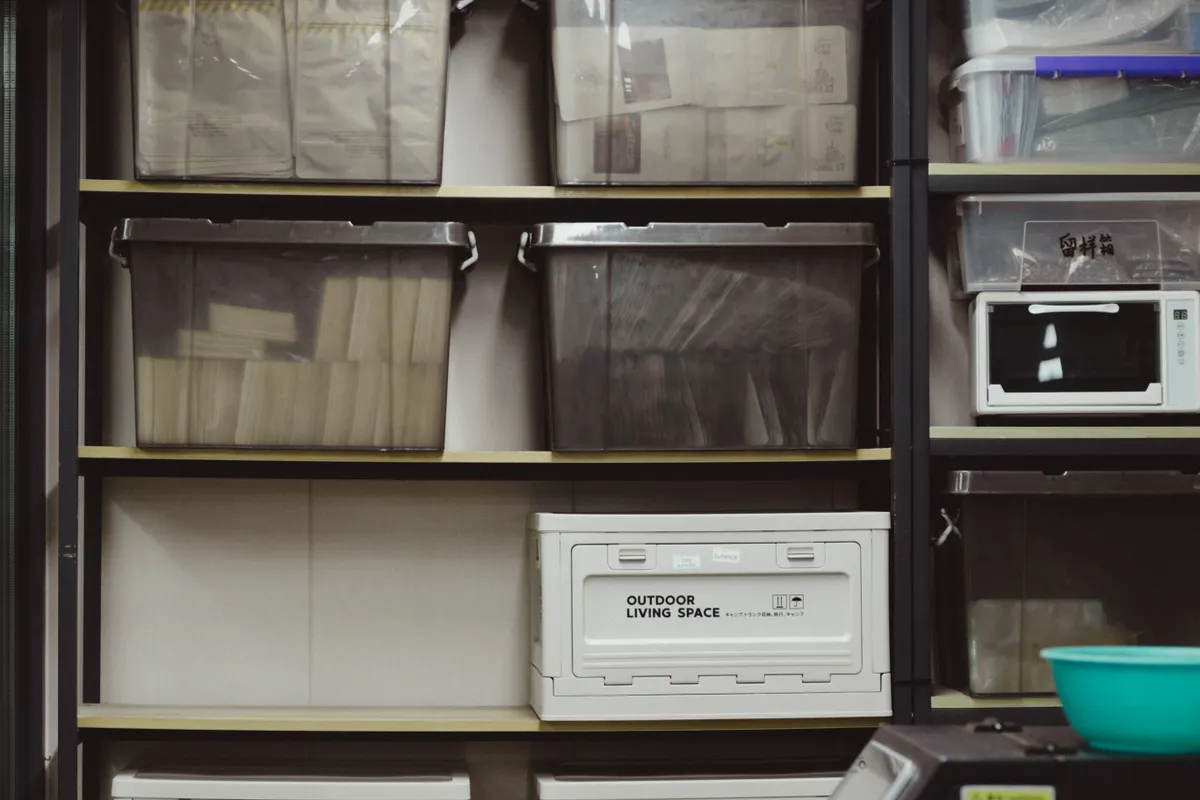
Do not hide paint in an opaque tote with cleaners, pesticides, automotive fluids, or aerosols. A shallow spill tray may help reveal a leak, but it is not permission to keep an unsuitable product or incompatible materials together. The storage system should make inspection easier, not conceal a condition that requires removal.
Use a keep, move, or local-review decision
Keep a can only when it is identified, sound, sealed, still useful, and the proposed location satisfies its documented storage conditions. Move suitable water-based architectural paint only to a dry, secure, label-compliant place; never move a product with flammable or combustible warnings into living space merely to avoid freezing. When the safe location is unclear, ask the manufacturer or local fire and waste authority.
Route unwanted, suspect, or damaged material according to the product label and local program. EPA notes that household hazardous-waste management varies by state and locality. PaintCare's locator can identify participating retailers and facilities, but sites ask visitors to confirm hours and accepted material; its standard sites do not accept aerosol, leaking, unlabeled, or empty containers. Call before driving over and do not mix products to simplify the trip.
Repeat a ten-minute audit at each season change
Read the min/max record, inspect every container, and remove anything that no longer has a planned touch-up job. Confirm labels remain readable, lids are seated, shelves are dry and stable, and the area has not acquired a new heater, charger, appliance, or stack of combustible clutter.
The goal is not to preserve every leftover ounce indefinitely. It is to keep a small, identifiable touch-up inventory only while the product remains useful and its storage conditions remain defensible. Buying closer to the required quantity and using local reuse or recycling options prevents the shelf from becoming a permanent collection of unknown cans.
Primary references
These sources support safety, disposal, or specification details used in this guide.