Lighting / Field guide12
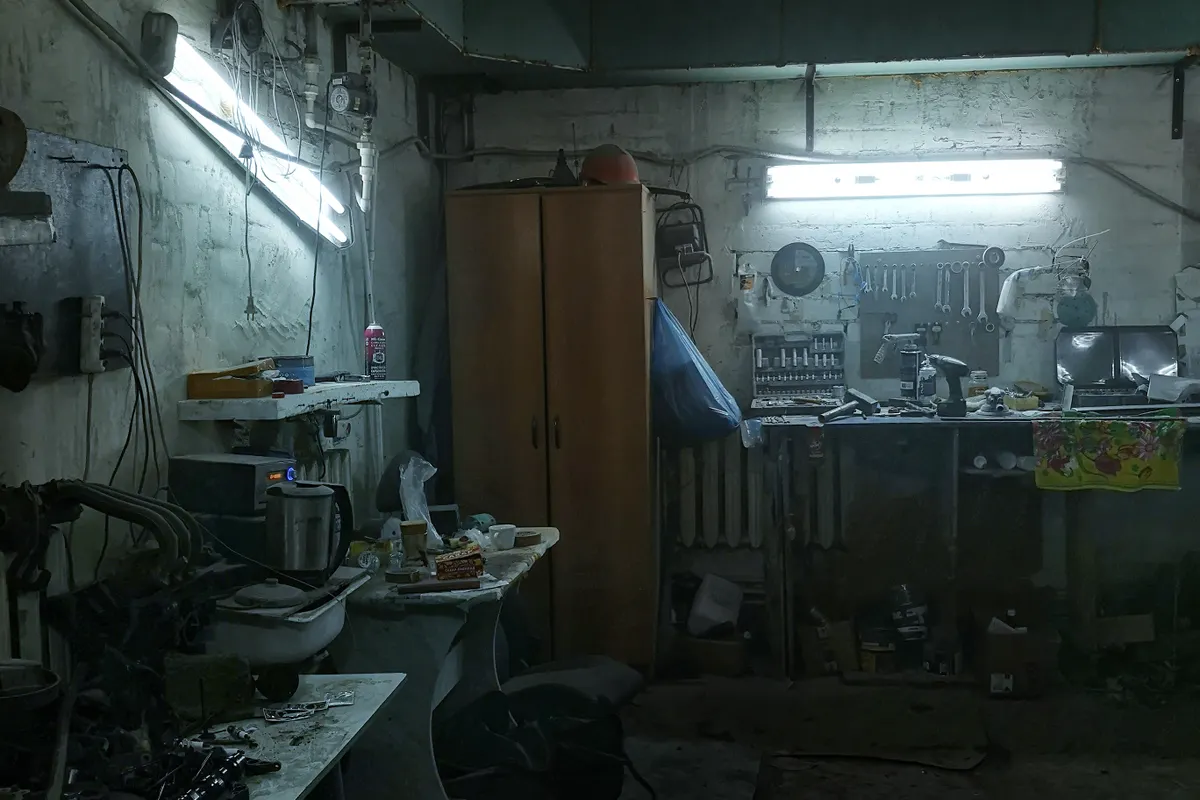
How to light a two-car garage without dark corners
A practical plan for fixture count, color temperature, placement, and the workbench light that matters most.
02 Lighting field guide / 6 articles
A bright fixture is not the same as a useful room. Vehicles, an open overhead door, tall cabinets, and your own body can block a surprising amount of light. A good plan distributes ambient light around those shadows and adds a separate task layer where detailed work actually happens.
Start with room dimensions and use, then work through output, placement, color appearance, and fixture specifications. The guides here keep those decisions separate so a high lumen number or a cooler color temperature does not become a shortcut for a complete lighting plan.
Start Choose your constraint
Begin with the decision holding up your garage today. Each path connects back to the complete topic library below.
Start with output
Control shadows
Choose appearance
02 Complete topic library
6 focused guides, each built around one search intent and one practical garage decision.
A practical plan for fixture count, color temperature, placement, and the workbench light that matters most.
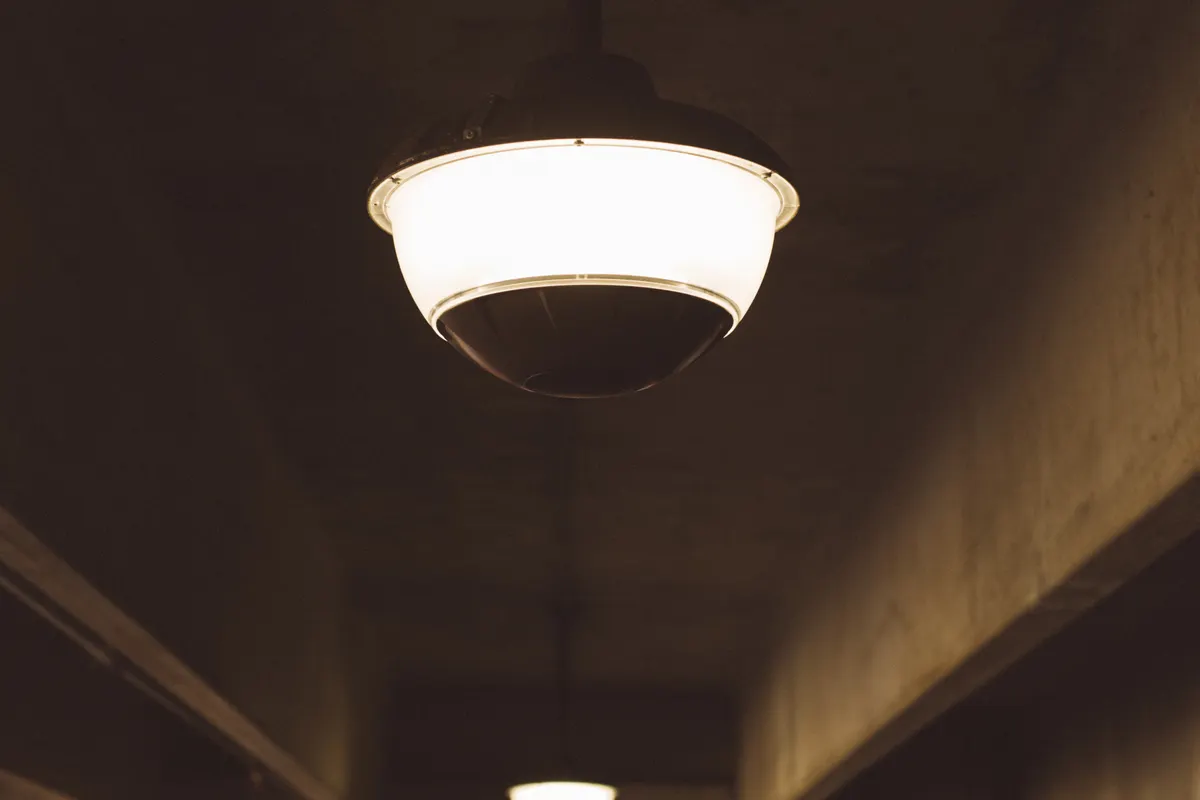
Compare useful output, beam spread, color quality, linking limits, and installation details—not marketing wattage alone.
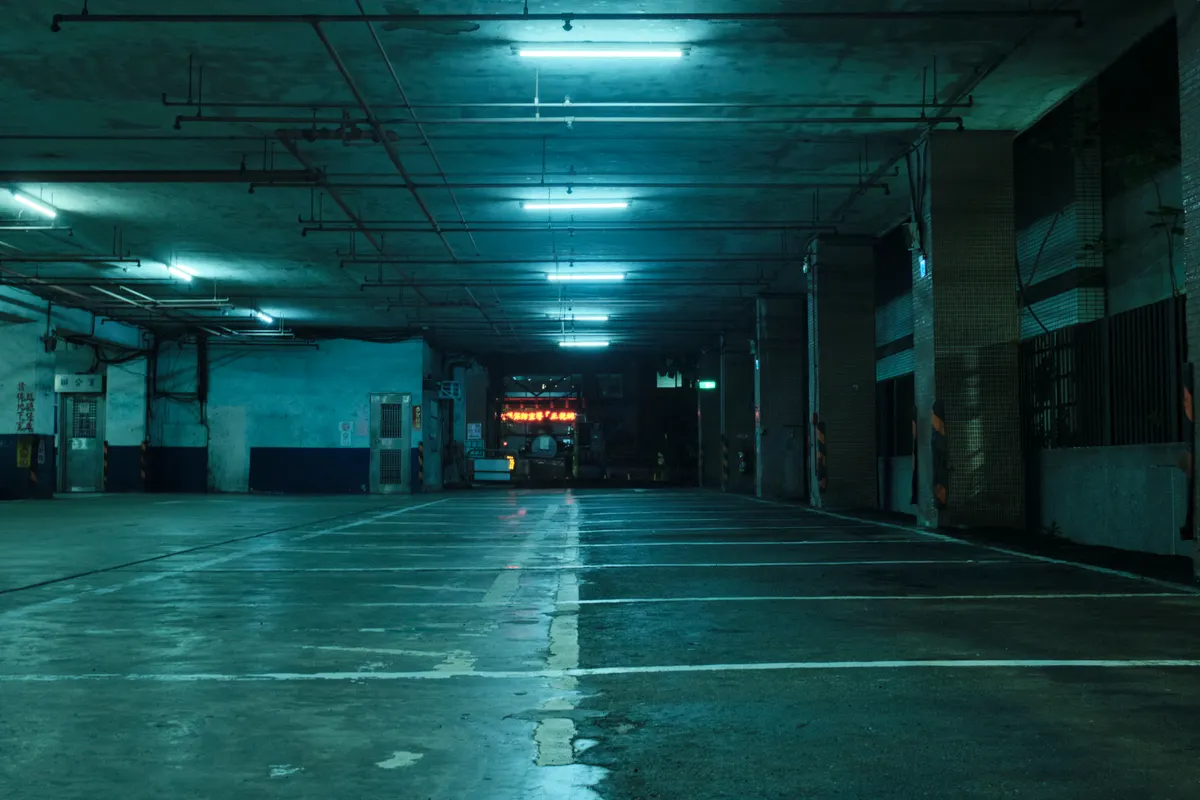
Understand what color temperature changes, what it does not, and when a mixed lighting plan makes sense.
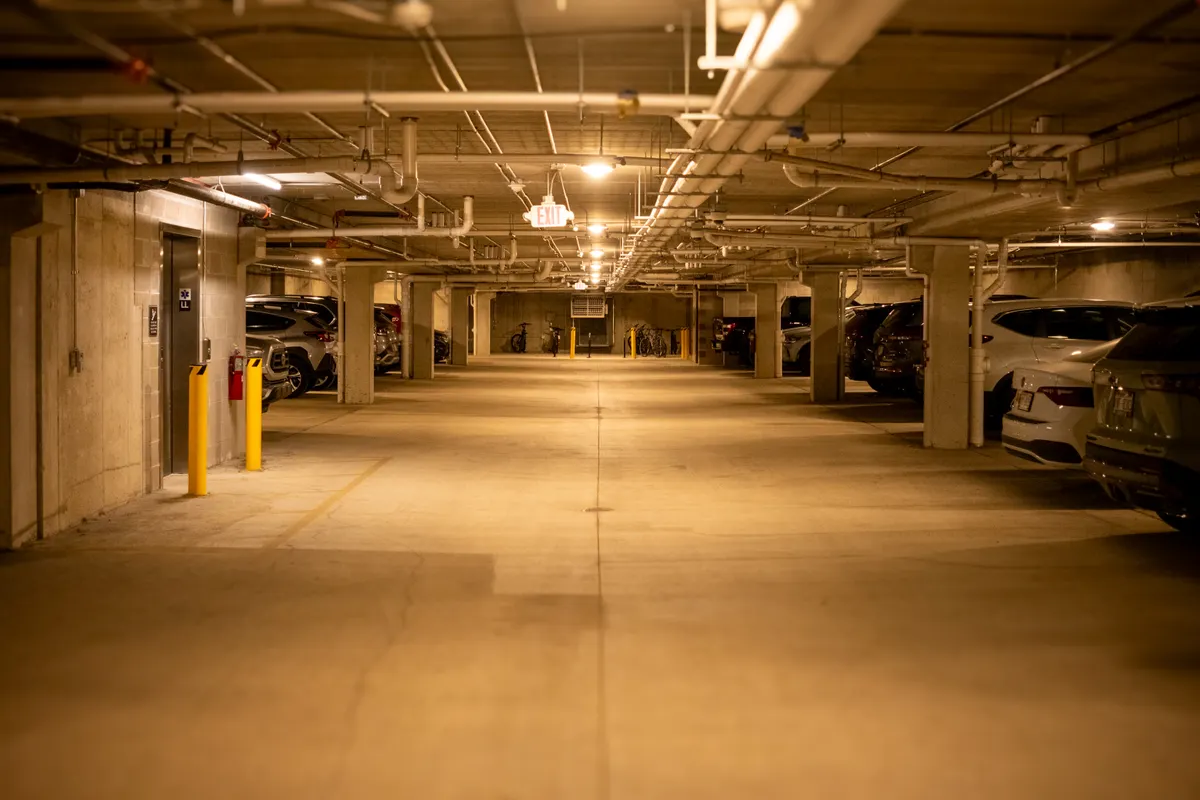
Position rows around vehicles, the open door, storage walls, and working edges so usable light reaches the floor and bench.

Choose a wide, controlled source and place it over the working edge for layout, repairs, sharpening, and finishing.
A pre-install checklist for output, placement, glare, door interference, controls, temperature, and future service.
Method Use the collection