Original container decision matrix
Keep the box, choose a bin, or move the contents?
| Situation | Candidate decision | Check before proceeding |
|---|---|---|
| Defined short-term sorting | Retain an intact, suitable box temporarily | Condition, dry location and a real exit action |
| Repeated use of suitable garage supplies | Compare a reusable bin | Actual contents, lid, handles, shelf fit and model instructions |
| Irreplaceable collections | Choose an appropriate indoor destination | Item-specific preservation needs; plastic is not climate control |
| Moisture, damage or pest signs | Investigate before routine repacking | Do not hide the underlying problem inside another container |
| Paint, fuel, batteries or food | Use separate, product-specific guidance | This household-container comparison does not establish suitable storage |
Field note: An editorial sorting aid, not a container performance test, pest-treatment procedure or universal storage-duration guarantee.
Choose the destination before the container
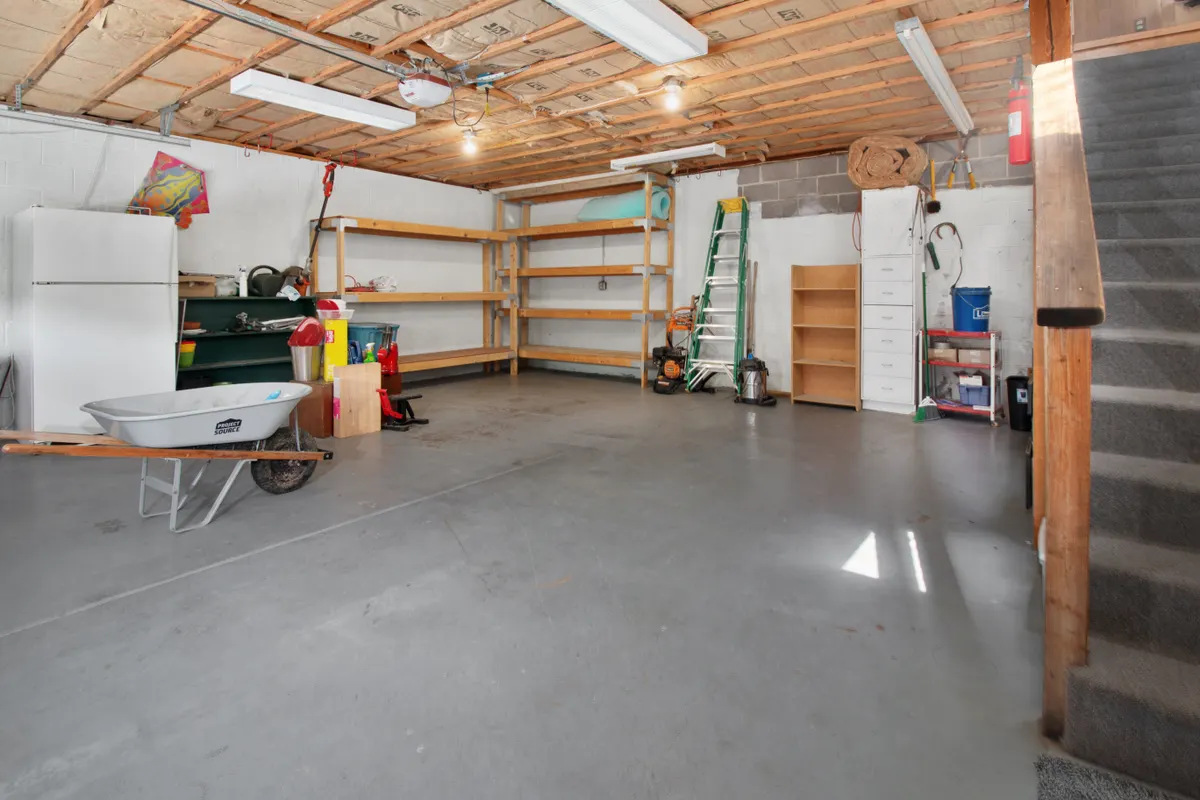
After moving, a stack of cardboard boxes can make a garage feel like unfinished business. Replacing every box with a matching tote looks decisive, but it skips the most important question: should those contents live in the garage at all? Start with one box and name its contents, next use and intended storage location before comparing materials.
Use three destinations: an indoor home for sensitive or valuable belongings, a defined temporary sorting spot, and repeat-use garage storage for suitable supplies. This is an editorial decision workflow, not a durability test of particular boxes or bins. The comparison excludes food, chemicals, batteries and fuel, which need their own storage instructions.
What a plastic bin cannot fix
The Library of Congress advises against storing valuable collections in garages because temperature, humidity and water exposure are difficult to control. Its guidance treats suitable plastic enclosures as secondary protection, not protection from environmental extremes, and warns that plastic containers in high humidity can increase mold risk. A lid is not climate control.
Apply that distinction before purchasing: family photographs, inherited letters and irreplaceable papers should not receive a garage location simply because a tote closes neatly. Choose an appropriate indoor environment and item-specific preservation guidance. Do not treat a container's resin name, a gasket or a marketing word such as 'heavy-duty' as proof that it is appropriate for a valuable collection.
When keeping a cardboard box is a deliberate choice
A clean, intact box can serve a specific short-term sorting job: a group of non-sensitive items awaiting a scheduled donation pickup, for example. Put the destination and action date on it. 'Temporary' should describe an actual next action, not become a permanent label on an unopened pile. There is no universal number of safe storage days; local conditions and contents matter.
Inspect incoming packaging rather than assuming new-to-you means clean. University of Minnesota Extension identifies corrugated boxes as a possible source of cockroach infestations and recommends inspecting incoming boxes and reducing unnecessary cardboard clutter. This does not mean every box carries insects, or that changing containers alone solves an infestation. Seek identification and appropriate pest-management advice if signs are present.
Keep return packaging only while it serves a known purpose. Record the applicable return or service requirement before discarding specialized inserts; a generic tote may not replace protective shipping packaging. When a box no longer has a job, check local recycling instructions instead of maintaining a reserve of every delivery carton.
When a reusable bin earns its space
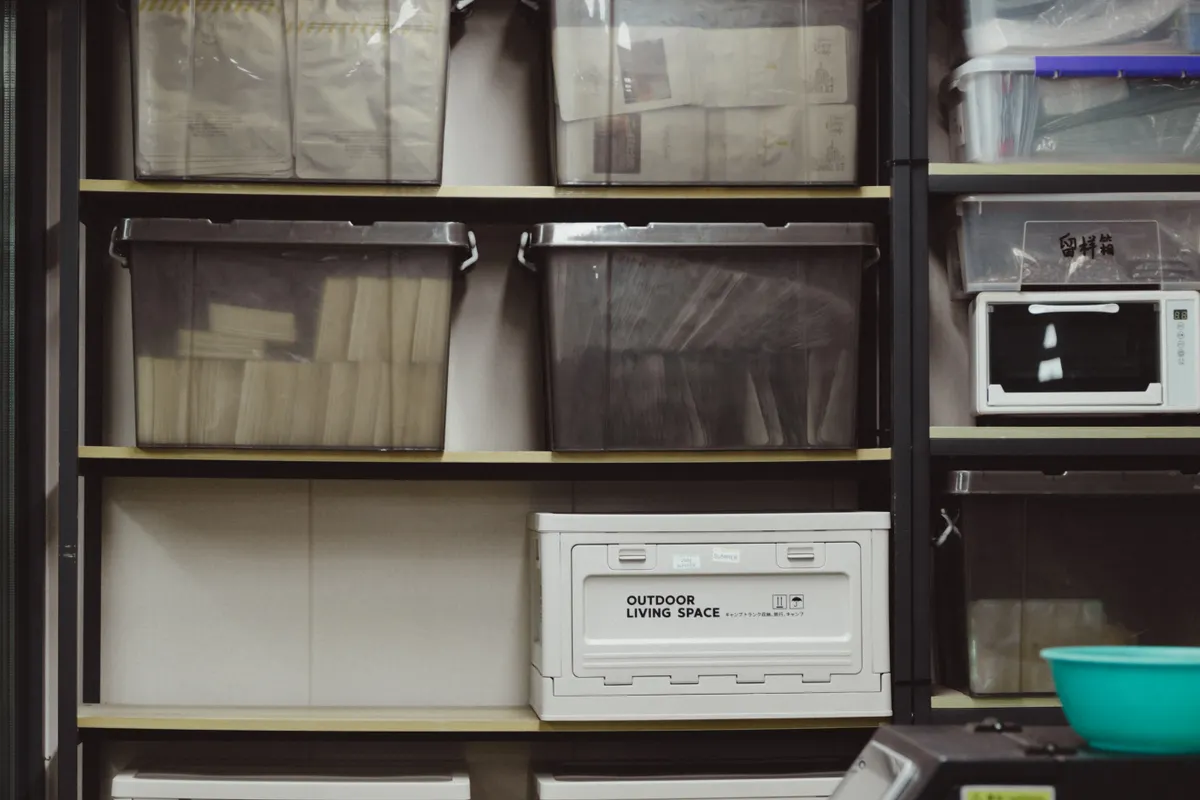
Consider a reusable bin when a suitable group of garage items will be retrieved and put away repeatedly. Evaluate the actual candidate: does its lid close normally with your contents, do the handles remain accessible on the shelf, and can you remove it without moving unrelated equipment? A nominal gallon capacity answers none of those questions.
Before standardizing, compare one candidate with a representative set of contents. Record the external dimensions including lid and handles, the usable interior shape, and the manufacturer's limits for the intended use. Do not assume different products with the same capacity have interchangeable lids or stack together. Treat missing load, stacking or exposure information as an unanswered question, not permission.
Skip blanket claims that plastic is waterproof, rodent-proof or maintenance-free. Verify any protection claim for the exact model and use. A broken latch, distorted lid or unsuitable location remains a problem regardless of the material. This article does not recommend testing a household bin by filling it with water or loading it beyond its instructions.
A move-in example: three boxes, three different outcomes
Imagine three cartons labeled 'photos,' 'car wash accessories' and 'donations.' This hypothetical example is a sorting exercise, not a report of our own garage. The photos move to an appropriate indoor location. Clean, dry, nonchemical car-wash accessories become candidates for a reusable garage bin after checking their own care requirements. Donations stay grouped for a scheduled handoff rather than receiving a new permanent tote.
The result is one possible bin purchase, not three. If a carton contains mixed items, split the contents first: a spray bottle should not inherit the storage decision made for a wash brush. If damage, unexplained moisture or pests are present, stop the routine repacking process and investigate the underlying condition. Concealing the evidence inside a matching container does not resolve it.
Copy this decision card before you shop
Write one card per group: contents; reason the garage is suitable; current condition; next retrieval or exit date; proposed container; manufacturer information still needed; and assigned location. A blank suitability field means the destination decision is unfinished. A blank exit date means a temporary sorting box needs another decision before it disappears behind newer arrivals.
Once the material and destination are settled, use our storage-bin system guide for footprints and labels. That is a separate task: an excellent labeling scheme cannot compensate for an unsuitable environment, while a suitable bin still needs an accessible home. Revisit the card when the contents or storage conditions change, rather than replacing containers merely for a tidier photograph.
- Separate sensitive belongings and label-directed products first.
- Inspect the contents, current packaging and proposed location.
- Give temporary boxes an actual exit action.
- Verify a candidate bin with real contents and model-specific instructions.
- Buy only for the groups that have a justified garage destination.
Primary references
These sources support safety, disposal, or specification details used in this guide.